
Tokyo Innovation Base: Your First 30 Days in Tokyo’s Startup Scene
If you’re new to Tokyo’s startup ecosystem, the hardest part is not usually your idea. It’s orientation.
There are events, programs, open hours, Slack groups, intros, and “you should meet” messages. It can feel like you’re supposed to know where to go, who to talk to, and how to show up confidently before you’ve even found your footing. And when you’re already carrying the mental load of building, that kind of ambient uncertainty can quietly drain your energy.
This is one reason I value places like Tokyo Innovation Base. I share more context on my role there on the partner page, alongside other partner communities I support. But even without knowing any of that, here’s what matters: a hub is only helpful if you know how to use it in a way that fits real life.
What most people get wrong about startup hubs
The mistake I see most often is treating a hub like a place you go when you’re “ready.”
Ready with the perfect pitch. Ready with the perfect deck. Ready with the perfect plan. Ready with the perfect confidence.
But hubs are not a finish line. They are a container for iteration. They are a place where you can test your thinking, meet people who have context, and turn vague momentum into specific momentum. The value is not in being impressive. The value is in being present and consistent.
A simple 30-day plan that reduces overwhelm
When people feel overwhelmed, they usually try to do more. I recommend the opposite. Narrow the target. Make it repeatable. Build relationships through rhythm.
Week 1: Get oriented, not “seen”
Your only goal this week is to learn the landscape.
Pick one format to start with (a community event, a talk, open hours, a program orientation).
Introduce yourself in one sentence that is honest and simple.
Ask two questions that help you learn the room: “What are you working on?” and “What kind of support has been most useful here?”
If you leave with two names you can follow up with and one next event you will attend, you did it right.
Week 2: Choose a focus and repeat it
Now you pick a lane for the next two weeks.
Maybe it’s customer discovery. Maybe it’s refining your offer. Maybe it’s hiring. Maybe it’s fundraising. Maybe it’s simply building community so you are not doing this alone.
The point is not that your lane is permanent. The point is that focus reduces noise.
Week 3: Ask for one kind of help, clearly
This is where founders often freeze, because asking requires vulnerability.
Make it specific:
“I’m looking for 3 people who match this profile to interview this month.”
“I’m testing a pilot and I need feedback on this one piece.”
“I’m stuck on how to describe this offer in one sentence.”
Clear asks create clean responses. Vague asks create polite nods.
Week 4: Close loops and commit to the next month
Momentum is not just action. It’s follow-through.
Send the follow-up message. Do the one next step you promised. Write down what worked. Decide what you will repeat next month. This is how a hub turns into an ecosystem instead of a random series of events.
How I think about community support as a founder tool
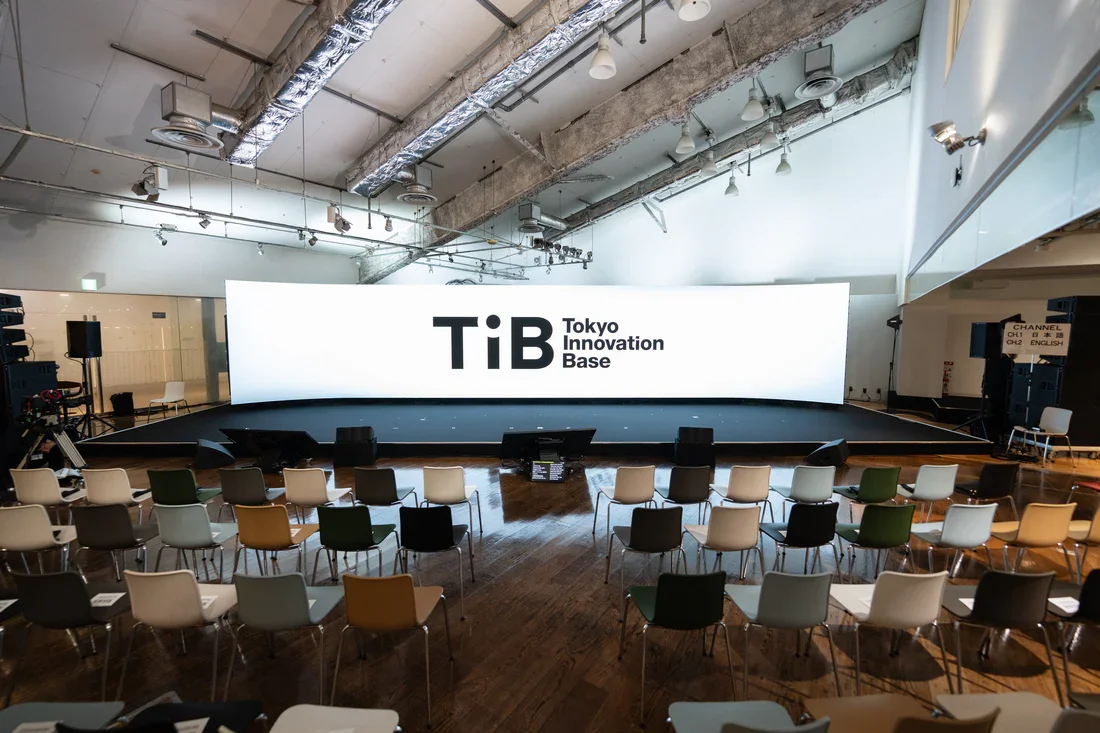
Tokyo Innovation Base is a practical landing pad for founders who need orientation, community, and momentum in Tokyo’s startup ecosystem.
Community is not a lifestyle accessory. It’s infrastructure.
A healthy hub helps you:
stop guessing alone
reduce decision fatigue through better context
find people who can challenge your thinking without crushing your confidence
move faster because you are not reinventing everything from scratch
It also helps something quieter: your nervous system stops treating every decision like a high-stakes moment. You get steadier. And when you get steadier, you get more effective.
Where I come in
In community settings like Tokyo Innovation Base, my focus is practical and human. I care about sustainable leadership, clarity under pressure, and boundaries that protect performance over time.
If you want support that’s tailored to your season, you can explore coaching and facilitation here.
