
The Living Ecosystem
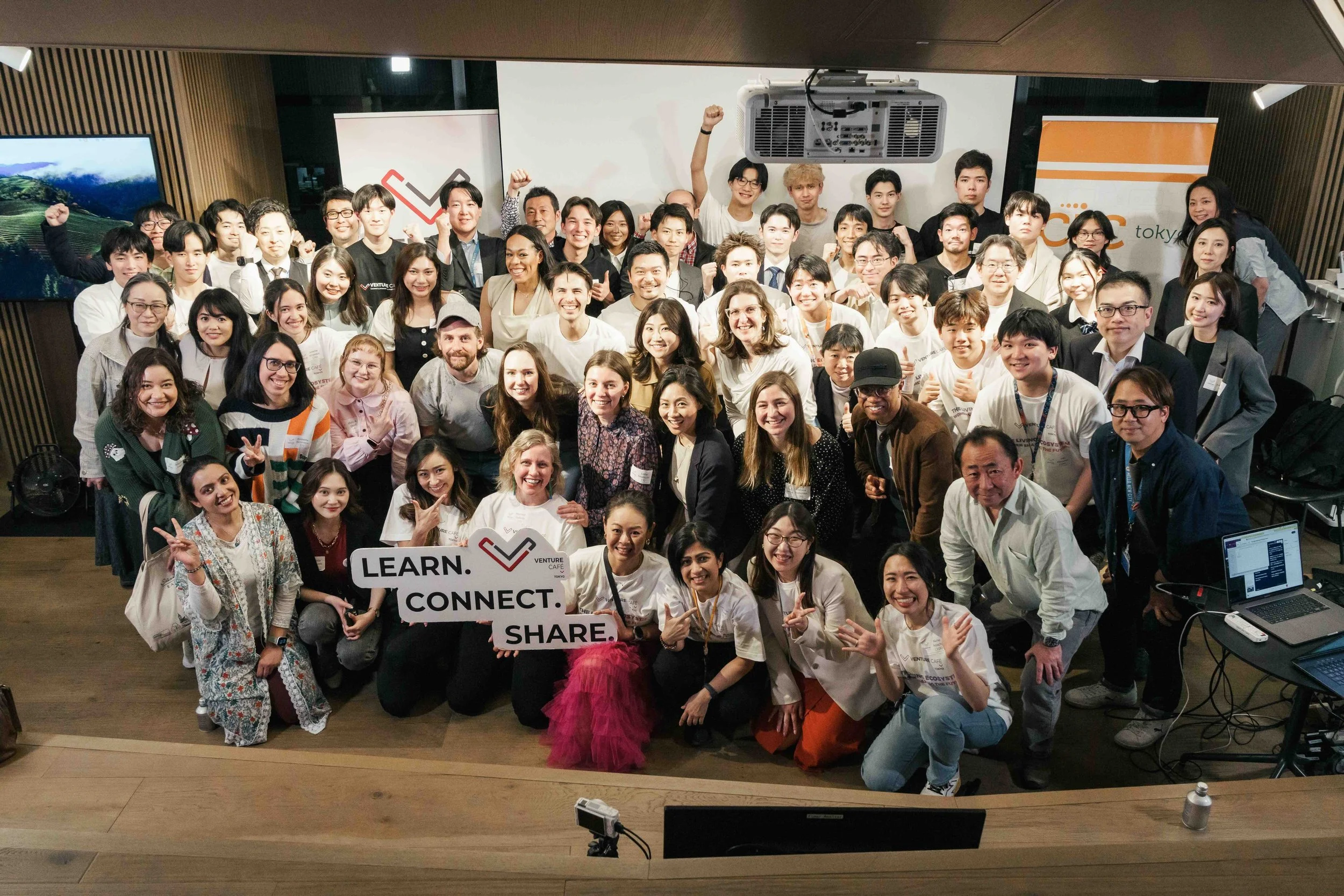
Attendees gather after a very busy night.
What the hell was I doing, moderating a panel discussion with two mayors of Tokyo wards, a venerable journalist, and a rep from the Viennese embassy? And in tabi boots?
Building the room
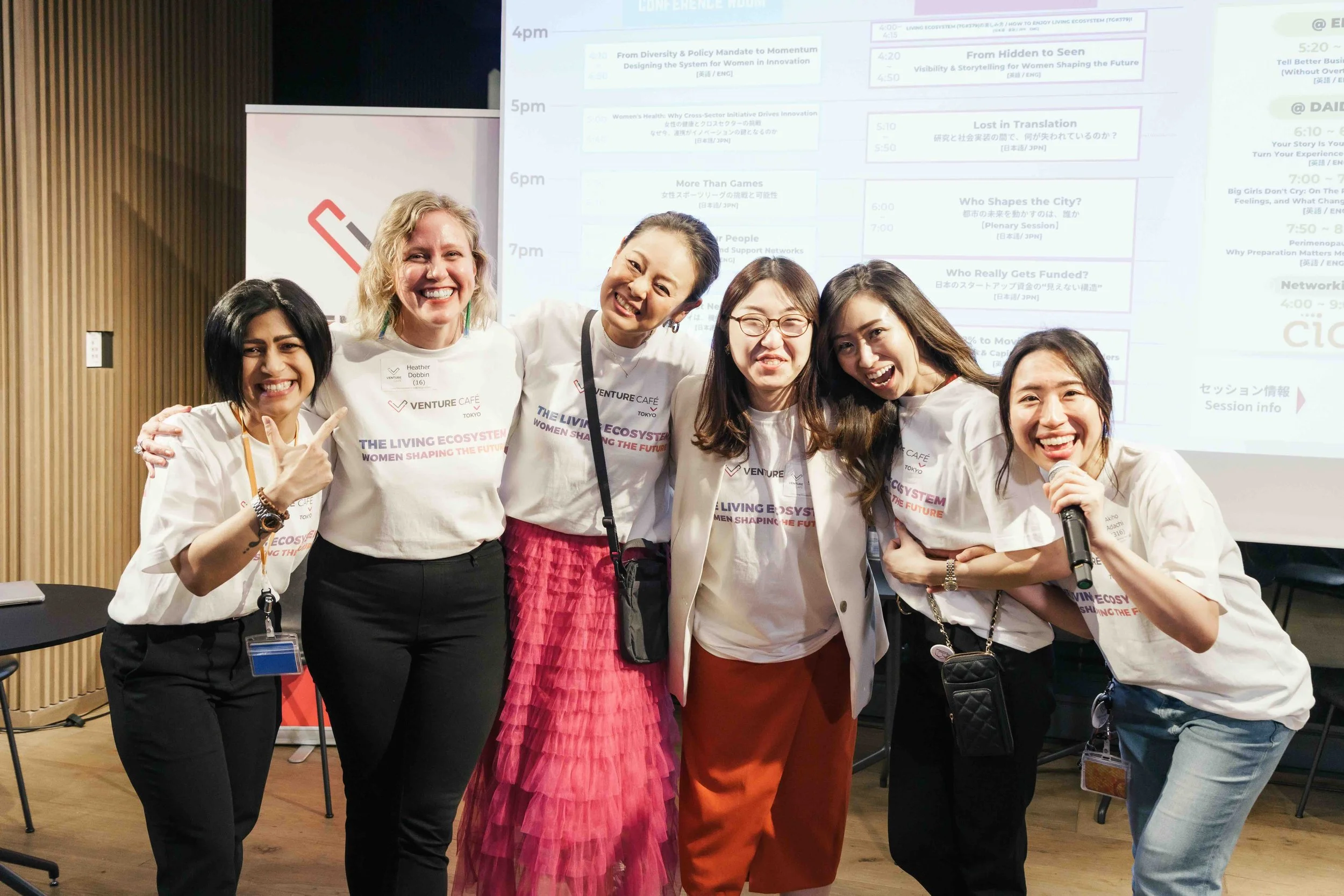
I was building the room, channeling my inner shokunin for the Living Ecosystem, an event I co-organized with Rui Nagamori and with indispensable support from Yume Towhida. Also supporting in a major way were Yu Shinagawa, Akiko Maeda, and Akiho Adachi.
The Living Ecosystem started with one simple question: can we build a room and fill it with people of all genders who understand that when the business world supports women to thrive, everyone benefits, regardless of gender?
Judging by the fact that the space at CIC Tokyo was packed to the rafters with over 420 in-person attendees, I'd say the answer was a resounding yes. In total, 55 speakers across 17 sessions took on funding, wellness, community, and policymaking for an ecosystem where everyone thrives when women do. They came from every corner of Tokyo's innovation world: founders, investors, policymakers, researchers, and community builders.
We put to rest the persistent, annoying myth that there aren't enough talented women leaders and women speakers to draw from. That there is something inherent, rather than systemic, holding women back. The energy was buzzing and the crowd was diverse, a healthy mix of genders and nationalities. I noticed three things:
The energy is different when we open up these conversations to all genders
Panelists and attendees of all genders made the conversations more impactful. The safe nature of women-only spaces is absolutely needed, and we all need to work together to create an economy where everyone thrives.
The women-led ecosystem is still small, but mighty
At our exhibition tables, we had members from all over the ecosystem— from health and wellness, to community, to financial support for entrepreneurs, and even the British Chamber of Commerce to support cross-border female led innovation.
The Japanese and international business communities are not as siloed as people may think
In my work supporting women innovators, entrepreneurs, and founders I hear the same thing over and over. The language and cultural barriers are major issues for collaboration between Japanese professionals and those in other countries. And of course, this isn’t wrong. But one thing I found at the Living Ecosystem is that, when you’re careful to curate a truly bilingual event, and you invite communities that are tech-savvy and creative, language and cultural differences become meaningful points of friction and launchpads for conversation rather than barriers to be overcome.
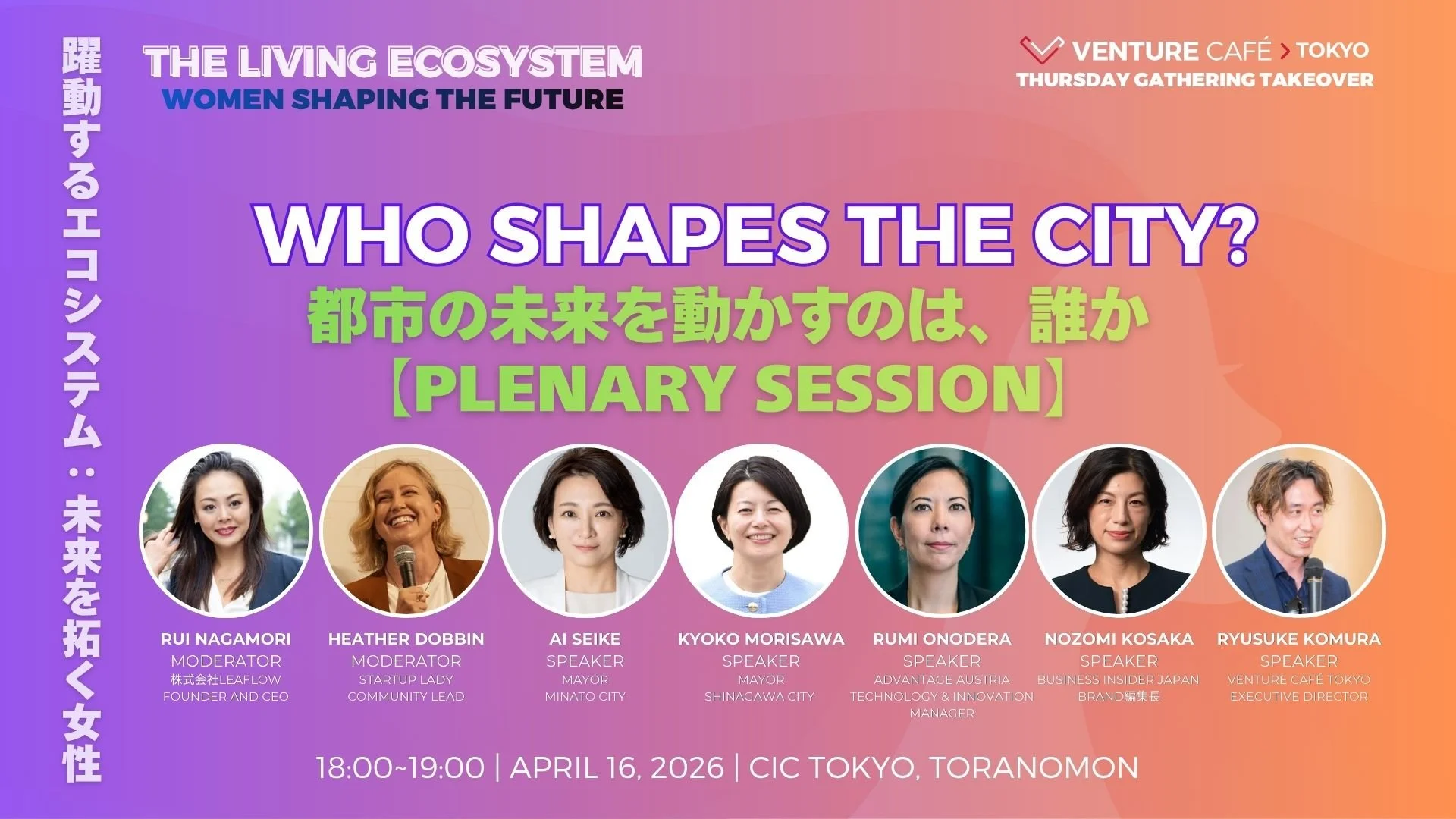
A heavy-hitting panel.
Who shapes the city?
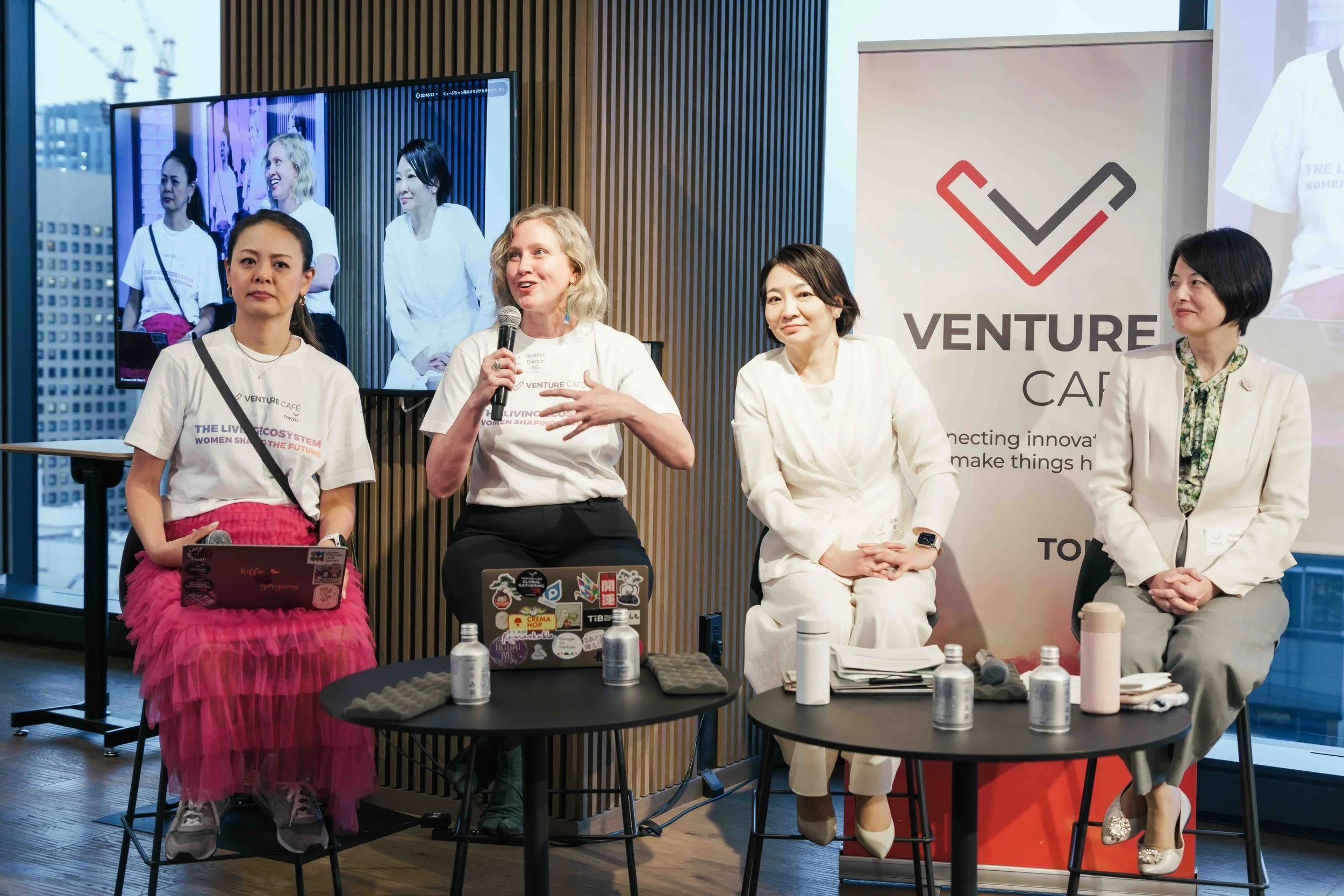
Passionately speaking with Rui, Seike-san, and Morisawa-san
On top of organizing, I had the honor of co- moderating a panel with Rui called "Who Shapes the City?" with Ai Seike, Mayor of Minato Ward, Kyoko Morisawa, Mayor of Shinagawa Ward, Rumi Onodera, Technology and Innovation Officer at ADVANTAGE AUSTRIA, Nozomi Kosaka, Co-Editor-in-Chief, Business Insider Japan, and Ryusuke Komura, Executive Director at Venture Cafe Japan. It was a heavy-hitting group.
One part of the discussion that stuck with me was the concept of “the kind economy,” and “better capitalism” often written about by Kosaka-san over at Business Insider Japan. The idea that we can be prosperous and inclusive, that success belongs to all of us, and that all of us are stewards of the future, is at the core of my professional values.
How does all of this relate to coaching?
The same shokunin instinct that had me building a room for over 420 people is what has me building coaching containers for one person at a time.
In my work as a convenor as well as a coach, I build the rooms that hold our innovation ecosystem and community. I design the programs and coach the creatives, entrepreneurs, and engineers who operate inside it. My speciality is the high-impact, non-obvious work: human skills for founders and burnout prevention. I work with founders on sustainable leadership, and with corporates and SMEs on workshops and internal coaching programs that lift employee retention, satisfaction, and expressed potential. As an entrepreneur and community builder myself, and someone who often operates in spaces that weren't designed for me, I know this burden isn't one founders should have to carry alone.
Before you go
If you were in the room at The Living Ecosystem, or wish you had been, I'd love to hear which pattern resonated most with you. Reply to this post or email me at heather@heatherdobbin.com. The most useful conversations I've had since the event have started exactly that way.
If you're navigating any of this in your own leadership (burnout, a transition, the weight of building something while staying whole), that's the work I do. I keep a small clarity-call window open each month for people thinking about coaching: 60 minutes, ¥35,000, credited toward your engagement if we go on to work together. Book a clarity call →
And if this resonated for someone in your network (a founder, a senior leader, a friend doing the work), please share it with them. Most of the leaders I now work with came to me through someone like you.
Heather Dobbin is a Tokyo-based executive and leadership coach (ICF ACC, PCC pending) who works with creatives, engineers, and founders across Japan and internationally. She co-produced The Living Ecosystem at Venture Café Tokyo in April 2026. More on her work →
