
Baking, Boundaries, and Burnout
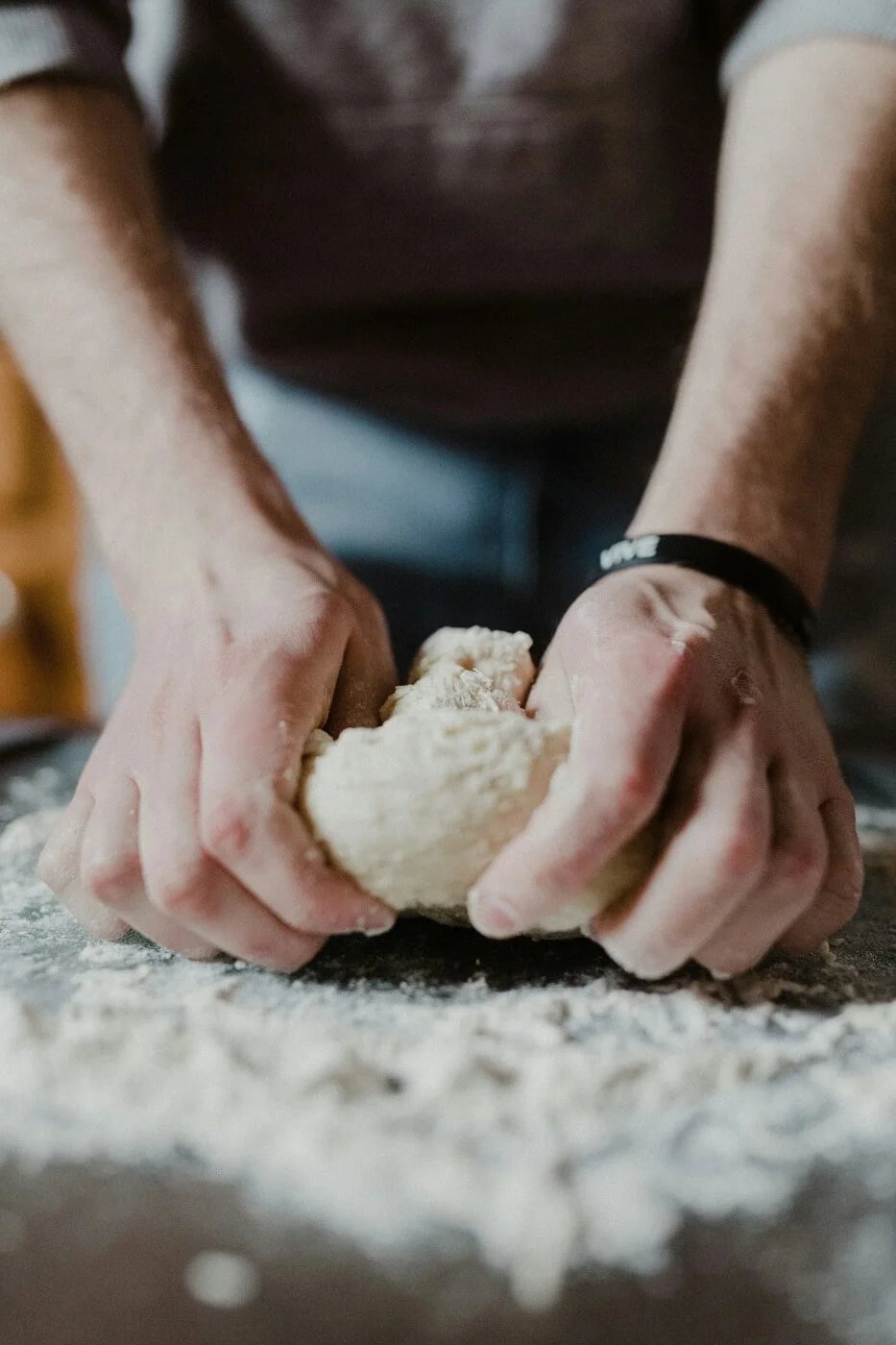
Kneading dough can become a steady, grounding ritual that helps quiet the inner critic and rebuild focus during burnout recovery.
One Client’s Path to Recovery
On the surface, it looks like just a fun hobby. A way to take time for himself, to make something delicious and then perhaps to share.
But what surprised us is how deep and rich the lesson of simply learning this new skill had on burnout recovery. It wasn't just a leisure activity; it was a re-engagement with life itself.
For anyone struggling with the exhaustion and anxiety of burnout, the path to feeling like yourself again can seem impossible. This simple hobby provided a framework for reclaiming essential parts of his inner life.
What were the key, transformative lessons found in this new pursuit?
1. The Rebirth of Curiosity
First, the fact that he has advanced enough in his burnout recovery to feel curious, to try new things. Burnout slowly steals those things from you until all you can feel is anxiety and exhaustion.
Burnout is characterized by a profound loss of interest and an unwillingness to engage with novelty. The nervous system is so overloaded that it defaults to self-preservation, shutting down all non-essential activity. Curiosity is often the first casualty.
The ability to look at something new and feel that gentle pull of "I want to try that" is a significant milestone. Curiosity is proof that your recovery is progressing and your mind is starting to feel safe enough to explore possibilities again. It means the inner dialogue of survival is finally being replaced by the quiet excitement of creation.
2. Redefining Failure
Second, that he’s made peace enough with his inner critic to learn to give something completely new a chance, and to even find failure fun. A tough inner critic can push us to move way past our limits for longer than is healthy, or cause us to freeze completely before we even challenge ourselves, out of fear that we won’t be able to perform to our high standards right away.
The inner critic thrives on perfectionism, which is often a root cause of burnout. It tells us we must perform flawlessly on the first try, leading to crippling anxiety or complete avoidance of challenges.
Learning a new skill, where mistakes are guaranteed, forced a confrontation with this critic. When a recipe didn't turn out as expected, he learned to observe it, laugh, and ask, "What needs to change next time?" The stakes were low. A failure in a hobby doesn't define your career or your worth. This allowed him to see failure not as a personal verdict, but simply as valuable information for the next attempt. This is the crucial mental pivot that disarms the inner critic.
3. Setting Boundaries Through “Selfish Creation”
Third, in the act of sharing, he learned when asked for more that what he actually enjoys about baking is the time for himself, free of the demands and quotas and expectations of others. He likes to create on his own terms, and then take pleasure in the enjoyment of others when he shares. He’s also learned that when he creates something, he wants it to have meaning. This has made him protective of his time and energy, allowing him to enjoy something “selfish” purely on its own merits, which leads to boundaries.
The most powerful lesson was the discovery of creation without obligation.
The old world of burnout was transactional: You do X, you get Y. When people started asking for more of his creations, the old pressure to perform for others briefly resurfaced. But this time, he recognized the feeling. He realized the joy wasn't in fulfilling a request; it was in the quiet, focused time he took for himself during the process.
This led to the simple, radical act of saying, "not this, but how about that?" He learned he could give when it felt good and hold back when he needed rest. He was creating for personal meaning, not external demand. This protective stance over his time and energy is what true, sustainable boundaries look like. It is the freedom to enjoy something purely for its own internal merit.
The Takeaway
Your healing doesn't need to look like another item on a to-do list. It might look like a messy, fun, or quiet new pursuit. What might this be for you?
